
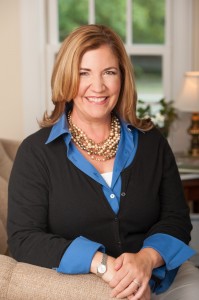
Anne Fitzpatrick-Neu on “Let’s Pay Bills & More,” why she, trained as a social worker, helps people pay their bills – as well as manage their money, prepare for taxes, and enjoy life!
O’Connell Law Lunch & Learn Series, January 25, 2017
Anne Fitzpatrick-Neu’s presentation attracted and engaged an audience of professionals eager to learn how she services the disabled, elderly, or merely distracted. As she explained further what she does, several points became clear. First, the importance of paying bills goes well beyond paying each bill as it arrives. Second, maintaining records and regularly assessing financial health is something many of us put off. As a professional bill payer, she is adamant that record keeping and analysis are vital functions best performed in the process of paying bills. Third, these tasks are not inconsiderable and, indeed, failure to perform them regularly can lead to serious problems, with creditors and even the IRS.
While the topic of bill paying might, at first, seem mundane, the audience appreciated Anne’s attention to detail AND her focus; as a former social worker, she is particularly concerned with enhancing the experience for her clients. The impression came through during her presentation that she enjoys what she does and, more, she wants her clients to enjoy it too. In most cases, she visits clients in their own homes every month, sorting current bills and preparing checks for clients to sign. When she retreats to her own office she reconciles accounts, highlights transactions that have tax implications, makes effective claims on medical insurers, and when necessary, negotiates with creditors. She even helps clients pull five years worth of financial transactions together, required for MassHealth applications, and other public benefit programs.
She is introduced to her clients by accountants, attorneys, and care managers who recognize that the tasks of paying bills, reconciling accounts, and maintaining records is beyond the capacities and/or attention of their clients. It is not surprising, therefore, that Anne describes her work in terms that one wouldn’t ordinarily associate with a bill payer: “creat[ing] warm smiles [through] a customer-designed, concierge service.”
She distributed a simple reminder to help us all decide how long to save documentation and when to shred it. Store (in an organized file system) for seven years: 1099s, W-2s, bank deposit slips and monthly bank statements, year-end brokerage statements, cancelled checks that justify tax deductions, charitable contribution documentation, credit card statements, IRA contributions, and receipts or logs pertaining to tax records. Find space to keep “forever”: current estate planning documents, divorce decrees along with alimony and child support payment records, tax returns, and annual reports regarding retirement plans. That means, however, that we should “shred” preapproved credit offers and applications, expired debit and credit cards as well as statements and receipts, paycheck stubs, utility and phone bills, investment account statements, past insurance policy claims, and expired passports and ID cards.
Anne concluded her remarks by describing three very different “case studies” of clients she has been serving. One savvy octogenarian values Anne’s services because she reconciles multiple accounts that receive distributions from a variety of trusts. She also maintains records of the client’s charitable donations. The second case involves a widow, currently living in an assisted living community. Anne works in tandem with a geriatric care manager and lawyer making sure that the widow can afford her care, but also preserving records that will be needed if the woman should apply to MassHealth in the future, to cover the costs of nursing home care. The third case involves a person living in subsidized housing who failed, on her own, to provide verifications necessary to maintain her status. In each of these cases, Anne’s attention to detail as well as her personable manner and technical skills benefited her clients greatly and, we assume, was greatly appreciated.
Anne can be reached at 781-697-4303 or anne@letspaybillsandmore.com.
Disclaimer: This blog post is for informational purposes only and does not constitute legal advice. Reading this content does not create an attorney-client relationship. For legal advice specific to your situation, please consult with a qualified attorney.
Disclaimer: This blog post is for informational purposes only and does not constitute legal advice. Reading this content does not create an attorney-client relationship. For legal advice specific to your situation, please consult with a qualified attorney.