
When preparing for estate planning, it’s easy to become confused by the numerous legal terms involved in this process. Your living will and a Do-Not-Resuscitate order are not the same thing, so read on to identify what makes each one unique.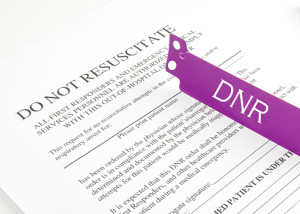
Your living will gives official guidance to an appointed authority agent known as your healthcare agent. Your living will explains what you would like your healthcare agent to do in the event that he or she is called on to determine whether or not life support should be terminated in a medical situation for you. This is used only in the event that you are unable to make decisions for yourself as a result of incapacitation.
A do-not-resuscitate order, however, is usually put in place over the course of your lifetime with the assistance of your primary care physician. You need to speak to your primary care physician in order to verbally give the order to him or her. This will lead to a creation of a do-not-resuscitate or comfort care order verification form.
All of your healthcare professionals should have a copy of this form. It’s a good idea to keep one at home as well in the event that EMTs or paramedics are called to your home so that it is easy for them to identify your specific wishes. It’s a good idea to set up a meeting with a Massachusetts estate planning attorney to discuss your options and whether or not you need one or both of these documents. Getting all of the facts straight with an estate planning attorney can help you avoid confusion and problems down the line.
Disclaimer: This blog post is for informational purposes only and does not constitute legal advice. Reading this content does not create an attorney-client relationship. For legal advice specific to your situation, please consult with a qualified attorney.

Disclaimer: This blog post is for informational purposes only and does not constitute legal advice. Reading this content does not create an attorney-client relationship. For legal advice specific to your situation, please consult with a qualified attorney.
Peter Godino
Nice article. You are getting good at this stuff!